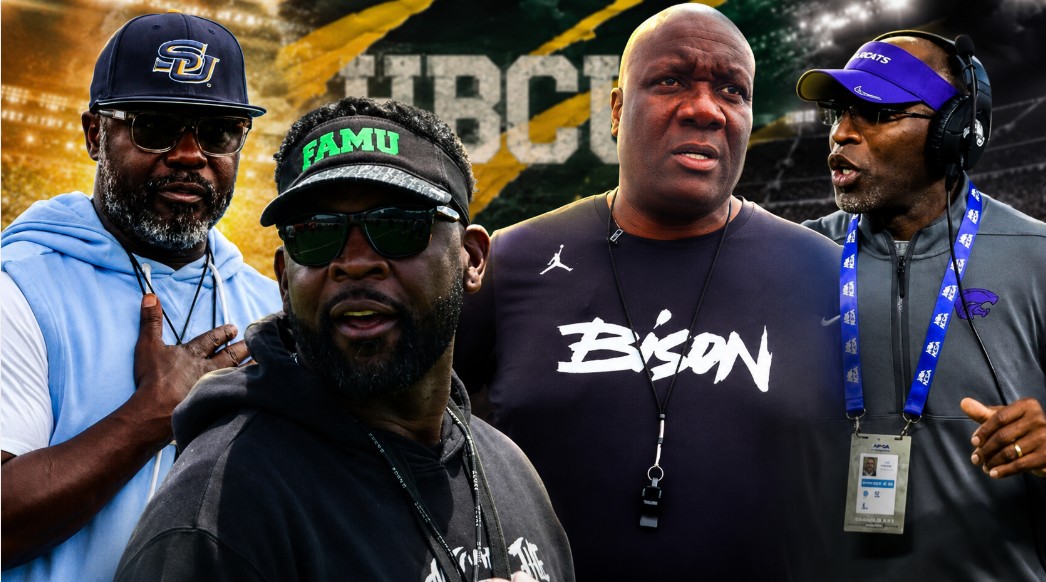
Over the past three years, Division I HBCU football programs have witnessed a notable trend: first-year head coaches arriving on campus and making measurable impacts almost immediately. The most prominent example comes from South Carolina State, where head coach Chennis Berry reached the Celebration Bowl in his inaugural season—a significant achievement that underscores the potential for new leadership to transform HBCU football programs in a compressed timeline.
The Celebration Bowl, which annually showcases the champions of the MEAC and SWAC conferences, represents one of the most visible stages in HBCU athletics. Reaching that game in a first season signals not just competitive improvement but also the ability to unite a program, establish a winning culture, and execute at a high level under pressure. For an HBCU institution, such rapid success carries weight beyond the field—it energizes alumni networks, attracts recruits, and demonstrates to the broader community that the program is moving in a positive direction.
The pattern of first-year coaches making immediate impacts reflects several dynamics at work within HBCU football. New leadership often brings fresh schemes, renewed recruiting energy, and a chance to reset team culture. At institutions with strong football traditions and committed fan bases, these elements can compound quickly. HBCU communities have historically rallied around their football programs as central to campus life and institutional pride—a phenomenon rooted in the historical significance of the yard and the role athletics play in HBCU identity.
Berry's success at South Carolina State is particularly instructive because it demonstrates that HBCU football, despite resource constraints that differ from Power Five programs, remains capable of producing competitive teams when leadership is strong. The MEAC and SWAC conferences continue to develop talent and compete for national recognition, and coaches who understand HBCU culture and can mobilize institutional resources effectively have shown they can win quickly.
The three-year window cited in the trend suggests this is not an isolated occurrence but rather a pattern worth monitoring across multiple HBCU programs. Whether this reflects a broader shift in coaching hires, improved institutional support for football, or simply the natural variance in coaching effectiveness remains an open question. What is clear is that HBCU football stakeholders are paying attention to how new coaches perform in their first seasons, using early results as a barometer for program direction.
Why this matters: HBCU football programs serve as cultural anchors for their institutions and communities. When new coaches achieve rapid success, it signals that HBCU athletics remain competitive and attractive to talent and investment. These early wins build momentum for recruiting, fundraising, and institutional morale—effects that ripple far beyond the football field and into the broader HBCU ecosystem.